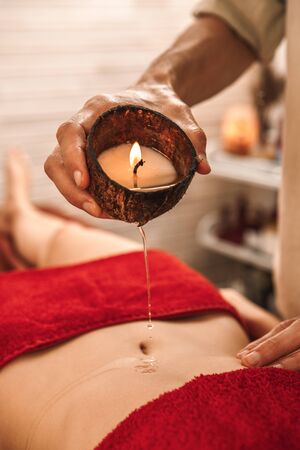

1. Introduction to Abhyanga in Indian Pregnancy Care
In the rich tapestry of Indian cultural traditions, oil massage—known locally as Abhyanga—holds a place of deep significance, especially during pregnancy. This ancient practice, rooted in the principles of Ayurveda, is more than just a soothing physical therapy; it is an essential aspect of prenatal care that has been lovingly passed down through generations. In many Indian households, expectant mothers are gently massaged with warm herbal oils, believed to nourish both the mother and the growing baby. The ritual is often performed by experienced elder women or traditional midwives (dais), who use specific strokes and oils tailored to each stage of pregnancy. This time-honoured tradition not only provides physical comfort but also fosters emotional well-being, bonding, and a sense of calm for both mother and child. In India, Abhyanga is considered a sacred act—a gesture of love and protection that aligns with the holistic approach to health so deeply embedded in Indian culture.
2. Common Oils and Rituals Used in Indian Pregnancy Massage
In India, the practice of Abhyanga, or oil massage, during pregnancy is steeped in tradition and adapted to local climates and cultural beliefs. The choice of oils and the rituals surrounding their application are significant aspects of maternal care, aimed at promoting the health of both mother and child. Below is a summary of commonly preferred oils and customary massage methods observed in various regions:
Popular Oils for Pregnancy Massage
| Oil Type | Region/Community Preference | Key Benefits |
|---|---|---|
| Coconut Oil | Southern States (Kerala, Tamil Nadu) | Cools the body, nourishes skin, light texture suitable for humid climates |
| Sesame Oil (Til Oil) | Northern & Western India | Warming effect, deep nourishment, improves circulation and flexibility |
| Mustard Oil | Eastern & Northern India, Punjabi households | Antimicrobial properties, warming effect, helps relieve muscle stiffness |
| Herbal Infused Oils (with neem, ashwagandha, or brahmi) | Across India (especially traditional Ayurvedic homes) | Additional healing properties tailored to individual needs or doshas |
Customary Methods Followed During Pregnancy Massages
The process of Abhyanga is often carried out by experienced female family members or traditional midwives known as dais. It is typically performed in the morning before bathing to allow maximum absorption of the oils. Key steps include:
- Gentle Strokes: Emphasis on slow, circular motions over joints and abdomen to promote relaxation without causing discomfort.
- Avoidance Zones: The abdomen may be massaged very lightly or avoided altogether during certain trimesters based on family or regional customs.
- Temperature Control: Oils are usually warmed slightly before application to enhance comfort and absorption.
- Sacred Chants or Prayers: In many homes, massages are accompanied by recitation of mantras or blessings for mother and baby’s well-being.
- Bathing Ritual: After the massage, a warm bath using herbal powders or natural cleansers is customary to remove excess oil and invigorate the senses.
This blend of locally preferred oils and time-honored techniques reflects Indias rich tapestry of traditions, ensuring that pregnancy massages serve not only physical but also emotional and spiritual wellness throughout this special journey.
3. Cultural Beliefs and Family Involvement
In India, pregnancy is not only a personal journey but a collective experience deeply rooted in cultural traditions and family values. The practice of oil massage, or Abhyanga, during pregnancy is often guided by the wisdom of elders and supported by the entire family. Grandmothers and mothers-in-law frequently take the lead in performing or supervising these massages, drawing upon generations of Ayurvedic knowledge passed down through oral tradition. This familial involvement is seen as both an act of care and a way to ensure the well-being of the mother and unborn child.
Ayurveda emphasizes harmony between mind, body, and environment, and this philosophy resonates strongly in Indian households. Families believe that Abhyanga helps foster emotional bonding, reduce stress, and maintain physical comfort for expectant mothers. It is common for elders to select specific oils—such as sesame or coconut—based on the mothers constitution (prakriti) and seasonal considerations. These choices are often discussed collectively, reflecting the respect for traditional wisdom.
Furthermore, rituals surrounding Abhyanga may include prayers or blessings, reinforcing spiritual well-being alongside physical health. Elders also share dietary advice and lifestyle tips aligned with Ayurvedic principles, making pregnancy care a holistic family affair. By integrating Abhyanga into daily routines under the guidance of experienced family members, Indian households nurture both mother and baby while preserving cherished cultural practices.
4. Health Benefits for Mother and Baby
In India, the practice of Abhyanga, or oil massage, during pregnancy is deeply rooted in both Ayurvedic tradition and daily family life. This nurturing ritual is highly valued not only for its cultural significance but also for the holistic health benefits it offers to both mother and baby. Let us explore how Abhyanga supports physical and emotional well-being throughout the prenatal journey.
Physical Benefits of Abhyanga During Pregnancy
Regular oil massage is believed to provide a range of physical benefits for expecting mothers. The gentle strokes help improve blood circulation, which assists in delivering essential nutrients to both mother and baby. Enhanced circulation also aids in reducing swelling (edema) commonly experienced during pregnancy, especially in the legs and feet. Moreover, Abhyanga can help maintain skin elasticity, thus minimizing stretch marks, and soothe muscular discomfort caused by physical changes in the body.
| Physical Benefit | Description |
|---|---|
| Improved Circulation | Enhances blood flow to support nutrient delivery and reduce swelling. |
| Reduced Muscle Tension | Soothes aches and pains, especially in back and legs. |
| Skin Nourishment | Keeps skin supple, helping prevent stretch marks. |
| Joint Lubrication | Aids flexibility as joints adapt to pregnancy. |
Emotional Well-being and Relaxation
The rhythmic application of warm herbal oils not only comforts the body but also calms the mind. Many Indian mothers share that Abhyanga provides deep relaxation, helping to ease anxiety and promote sound sleep—both essential for healthy pregnancy outcomes. The soothing touch of a loved one or traditional masseuse creates a safe space where stress is gently melted away, fostering positive emotions and mental peace.
Bonding Between Mother and Baby
An often overlooked benefit of prenatal Abhyanga is its role in nurturing early bonding between mother and child. As the mother relaxes under careful hands, her oxytocin levels may increase—this “love hormone” is associated with feelings of warmth, security, and attachment. In many Indian households, grandmothers or mothers-in-law perform these massages as a gesture of love and care, strengthening family bonds and reinforcing traditional support systems.
| Benefit Type | Mothers Experience | Babys Potential Benefit |
|---|---|---|
| Relaxation & Stress Relief | Eases anxiety, improves mood | Cascade effect; reduced maternal stress supports fetal development |
| Bonding & Attachment | Encourages positive feelings toward pregnancy | Lays foundation for emotional connection after birth |
| Cultural Support System | Receives care from family elders; feels supported | Grows within an environment of love and tradition |
Conclusion: A Holistic Approach Rooted in Tradition
The health benefits of Abhyanga go beyond just physical comfort—they weave together elements of relaxation, emotional security, and loving connections that are central to Indian family life. By embracing this time-honoured practice during pregnancy, mothers experience not only relief from physical discomforts but also a deep sense of being nurtured—a gift that extends naturally to their babies.
5. Precautions and Best Practices
Safe Practices for Abhyanga During Pregnancy
In India, oil massage or Abhyanga during pregnancy is cherished as a time-honoured tradition, but it must be approached with mindful care. It is advisable that all massages are performed by experienced therapists who understand the unique needs of pregnant women. Always use natural, cold-pressed oils such as coconut, sesame, or almond, avoiding strong essential oils unless recommended by an Ayurvedic practitioner. Oils should be warmed gently to promote relaxation and comfort.
Suitable Timing According to Trimesters
First Trimester (1-3 months)
During the early months of pregnancy, most Indian elders recommend gentle or minimal massage, if any at all. This is because the body is adapting to new changes, and traditional belief suggests minimising external stimulation. If Abhyanga is considered, opt for a very light touch and focus on the feet and hands only.
Second Trimester (4-6 months)
This period is generally regarded as the safest for regular Abhyanga. Massages can be scheduled two to three times a week, focusing on soothing strokes along the legs, arms, back, and feet. Avoid deep pressure and sensitive areas like the abdomen unless guided by a healthcare professional familiar with Ayurveda.
Third Trimester (7-9 months)
In the final trimester, gentle full-body massages help relieve stress and swelling. However, avoid prolonged sessions and ensure the expectant mother is always comfortable. Special care should be taken to support her posture using cushions in side-lying positions.
Contraindications and When to Avoid Massage
- Avoid Abhyanga during fever, active infections, or skin eruptions.
- If there is a history of miscarriage or complications like placenta previa, consult a doctor before considering massage.
- Strong abdominal massage is strictly avoided throughout pregnancy.
Respecting Indian Health Beliefs
It is important to honour family traditions and consult both elders and registered practitioners before starting Abhyanga. Listening to the body’s signals and respecting local customs ensures a safe and nurturing experience for mother and baby alike.
6. Contemporary Trends and Integration with Modern Care
In recent years, urban Indian families have begun to creatively integrate the age-old tradition of Abhyanga with modern prenatal care routines. This blend reflects a growing awareness of both holistic wellness and evidence-based medicine among expectant mothers in cities like Mumbai, Bengaluru, and Delhi. While elders in the family may continue to recommend regular oil massages using time-honoured recipes passed down generations, young couples are increasingly consulting their gynecologists and prenatal experts before initiating Abhyanga as part of pregnancy care.
Wellness centers and maternity spas across India are responding to this trend by offering specially curated prenatal massage packages that combine traditional Abhyanga oils—such as sesame, coconut, or almond—with contemporary safety standards. Trained therapists understand both Ayurvedic principles and modern anatomical knowledge, ensuring that massages are gentle and adapted to each trimester’s needs. As a result, mothers-to-be can enjoy the comforting ritual of Abhyanga without compromising on medical supervision.
Another emerging trend is the use of certified organic oils and the customization of massage techniques based on individual health profiles. Many urban wellness clinics offer consultations with Ayurvedic doctors alongside allopathic practitioners, encouraging a collaborative approach. Some families even participate in prenatal yoga classes that incorporate self-massage techniques inspired by Abhyanga, promoting relaxation and bonding between mother and baby.
The fusion of traditional wisdom with modern healthcare is also evident in educational workshops hosted by hospitals and community centers. Here, expecting parents learn about the benefits of Abhyanga—such as improved skin elasticity and reduced stress—while also being informed about situations where massage should be avoided, such as high-risk pregnancies or specific medical conditions.
This harmonious integration reflects a broader movement in India toward “slow wellness”—a philosophy that values gentle, sustainable self-care practices during pregnancy. As Indian society becomes more health-conscious, Abhyanga continues to evolve within prenatal care, balancing cultural heritage with scientific understanding for the well-being of both mother and child.