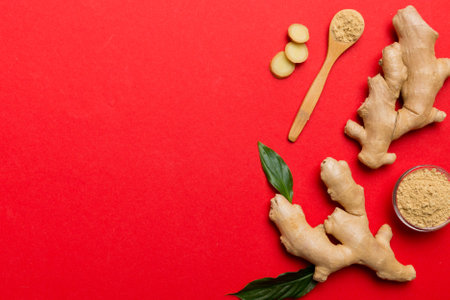

Introduction: Ginger’s Deep Roots in Indian Heritage
In every Indian home, ginger—lovingly called adrak—holds a place of honour that goes far beyond its zesty flavour. From the bustling lanes of Delhi to the peaceful backwaters of Kerala, this humble rhizome is both a kitchen staple and a trusted remedy passed down through generations. The story of ginger in India begins thousands of years ago, with references found in ancient Vedic texts such as the Atharva Veda and Charaka Samhita, which praise its healing powers and culinary importance. Whether it’s the first thing added to a hot cup of morning chai or the key ingredient in grandma’s secret kadha for coughs and colds, adrak seamlessly bridges daily life and traditional wellness. Its pungent aroma fills Indian kitchens at dawn, while its medicinal virtues find their way into Ayurvedic tonics and home remedies alike. For Indians, ginger is not just an ingredient—it is a symbol of comfort, heritage, and holistic health.
2. Everyday Chai: Ginger in Indian Tea Culture
Ginger, or “adrak” as it is lovingly called in Hindi, is an essential part of India’s iconic tea culture. Whether you visit a bustling city or a quiet rural village, the aroma of ginger-infused masala chai wafts through homes and roadside tea stalls alike. In every Indian household, especially during the monsoon and winter seasons, adrak chai is not just a beverage—it is a daily ritual and a comforting remedy.
The Heart of Masala Chai
Masala chai, meaning “spiced tea,” is incomplete without the robust flavor and warmth of fresh ginger. The root is often pounded or grated and simmered with black tea leaves, milk, sugar, and other warming spices like cardamom, cloves, and cinnamon. This combination creates a harmonious blend that awakens the senses and soothes the body.
Warming Effects of Ginger
Ginger’s warming properties are particularly valued when the weather turns cool or damp. Its natural heat helps counteract the chill brought by heavy rains or cold winds, making it a staple ingredient in Indian kitchens during these times. Families swear by adrak chai to keep coughs and colds at bay and to foster a sense of togetherness.
Why Every Family Swears by Adrak Chai
For generations, Indian families have turned to adrak chai as both a comfort drink and a gentle tonic. During monsoons—when humidity rises and immune resistance can drop—a steaming cup of ginger tea offers immediate relief from congestion and fatigue. In winter, its spicy warmth becomes indispensable for fighting off seasonal sniffles and maintaining vitality.
| Season | Role of Ginger in Chai | Common Benefits Cited |
|---|---|---|
| Monsoon | Adds warmth, relieves congestion | Prevents colds, boosts immunity |
| Winter | Keeps body warm, enhances circulation | Eases sore throats, combats chills |
| Everyday Use | Elevates taste, aids digestion | Promotes gut health, offers comfort |
This cherished tradition reflects how deeply ginger is interwoven into India’s social fabric—not just as a spice, but as an everyday companion for health and happiness.
3. Ayurvedic Wisdom: Ginger as a Healing Agent
In the heart of Indian tradition, Ayurveda stands as an ancient science that guides daily living and wellness. According to Ayurveda, every individual is governed by three fundamental energies or doshas: Vata (air and space), Pitta (fire and water), and Kapha (earth and water). Balancing these doshas is key to maintaining health, vitality, and harmony within the body and mind.
Ginger: The Tridoshic Spice
Ginger, known locally as adrak, holds a revered place in Ayurvedic medicine for its ability to balance all three doshas. It is referred to as a “Tridoshic” herb, meaning it can be safely used by most people regardless of their constitution. For Vata types, ginger’s warming nature soothes dryness and boosts circulation. For Pitta individuals, when used in moderation, ginger supports digestion without overheating the system. For Kapha types, it helps clear mucus and stimulates metabolism.
Supporting Digestion and Agni
Ayurveda regards digestive fire—agni—as central to well-being. Ginger is celebrated for its capacity to kindle agni gently, improving appetite, reducing bloating, and enhancing nutrient absorption. Whether enjoyed in morning chai or added to herbal tonics, ginger clears toxins (ama) from the digestive tract and supports comfortable digestion after traditional Indian meals.
Immunity and Detoxification Benefits
The immune-boosting power of ginger is woven into many home remedies across India. Grandmothers often recommend fresh ginger tea with honey for coughs or sore throats—a testament to its antimicrobial and anti-inflammatory effects. In Ayurveda, ginger is also prized for its detoxifying properties; it encourages gentle sweating and helps remove excess water and impurities from the body, making it a cherished ally during seasonal transitions or monsoon months.
Through centuries of use—from temple kitchens to rural homes—ginger remains a symbol of balance, resilience, and holistic health in Indian culture.
4. Traditional Home Remedies with Ginger
In Indian households, ginger (adrak) is more than a kitchen staple—it is an age-old remedy passed down through generations. Its warming, pungent qualities have made it a beloved ingredient in traditional home cures for everyday ailments. Below, let us explore some of the most cherished ginger-based remedies deeply rooted in Indian culture:
Popular Indian Ginger Remedies
| Remedy Name | Ingredients | Common Uses |
|---|---|---|
| Ginger with Honey | Fresh ginger juice, honey | Sore throat, cough relief |
| Ginger Water | Boiled water, sliced ginger | Indigestion, bloating, nausea |
| Kadha Decoction | Ginger, tulsi (holy basil), turmeric, jaggery, black pepper, sometimes cloves and cinnamon | Immunity boost, cold and flu symptoms |
The Healing Power of Ginger-Based Home Remedies
Ginger with Honey for Cough: This time-honoured mixture is a staple in Indian homes during the winter or when someone has a sore throat. The combination of fresh ginger juice and pure honey provides soothing relief from coughs and helps reduce throat irritation.
Ginger Water for Digestion: Sipping on warm ginger water after meals is a gentle way many Indians manage indigestion or bloating. It supports “agni”—the digestive fire—in Ayurvedic philosophy and helps balance Vata and Kapha doshas.
Kadha – The Herbal Decoction: ‘Kadha’ is a potent herbal drink made by simmering ginger with tulsi, turmeric, jaggery, and other warming spices. Especially during monsoon or flu season, kadha is consumed to strengthen immunity and ward off seasonal illnesses. Each household may have its unique kadha recipe, but ginger remains at its heart for its powerful anti-inflammatory and warming properties.
Cultural Wisdom Passed Down Generations
The use of ginger in home remedies reflects India’s slow-living wellness approach—using what nature provides in simple yet effective ways. These recipes are often shared by grandmothers with their grandchildren as both comfort and care, making ginger not just a spice but a symbol of familial love and holistic health.
5. Ginger in Indian Cooking Beyond Chai
Ginger, or “adrak” as it is fondly called across India, is a cornerstone of Indian cuisine that extends well beyond the beloved masala chai. Its pungent aroma and warming properties have made it indispensable in both daily meals and festive feasts, reflecting India’s vast culinary diversity from North to South.
The Heartbeat of Indian Curries
In North Indian kitchens, ginger-garlic paste forms the base of countless curries—from creamy paneer makhani to hearty dal makhani. The fresh zing of ginger balances rich spices like garam masala, giving dishes depth and a gentle kick. Down South, in states like Kerala and Tamil Nadu, ginger is often added to coconut-based gravies and fish curries, enhancing the flavors with its distinct warmth.
Chutneys: A Zesty Companion
No Indian meal is complete without chutneys. Across regions, ginger stars in tangy accompaniments—be it the fiery “allam pachadi” of Andhra Pradesh or the sweet-sour “imli-adrak chutney” enjoyed with samosas and chaat in the North. Its sharpness cuts through oil-rich snacks, aiding digestion and adding a fresh note to every bite.
Pickles: Preserving Tradition
Pickling is an age-old tradition in Indian households, and ginger plays a vital role here too. In Gujarat and Maharashtra, thinly sliced ginger is preserved with lemon juice, salt, and green chillies for a refreshing side. In Bengal, “ada achaar” (ginger pickle) brings a spicy punch to simple rice meals—a testament to ginger’s versatility in regional preservation techniques.
Festive Foods: Celebrating with Ginger
During festivals like Diwali or Pongal, ginger infuses celebratory sweets and savories alike. From the spiced “ginger laddus” of Karnataka to the warming “sukku vellam” (dry ginger-jaggery mix) offered during Pongal in Tamil Nadu, this root symbolizes health and auspicious beginnings.
A Regional Symphony
Every corner of India boasts its own unique way of using ginger—whether grated into kadhi in Rajasthan or blended into sambar powders in Tamil kitchens. This humble rhizome not only amplifies taste but also brings a touch of traditional wellness to every plate, uniting India’s diverse food culture through its robust flavor and healing spirit.
6. Modern Perspectives: Scientific Validation and Evolving Uses
In recent years, ginger has moved from grandmother’s kitchen remedies to the spotlight of scientific research. Modern studies from Indian universities and global medical journals highlight ginger’s powerful anti-inflammatory and antioxidant properties. For instance, compounds like gingerol and shogaol are shown to help reduce oxidative stress and inflammation, which are linked to common urban health concerns such as joint pain, digestive issues, and even chronic lifestyle diseases.
Many urban Indians now look for ways to blend traditional wisdom with modern health trends. It’s not unusual to see ginger shots served at yoga studios in Bengaluru or cold-pressed juices with adrak on Mumbai’s wellness menus. Young professionals add grated ginger to their morning smoothies, while fitness enthusiasts brew ginger-infused green teas post-workout for a natural boost.
This shift is supported by evidence—studies published in the Indian Journal of Physiology and Pharmacology confirm that regular intake of ginger can help lower markers of inflammation and improve immunity. Nutritionists in Delhi often recommend ginger as part of daily self-care routines, whether it’s sipping on adrak chai during monsoon or adding a pinch of sunth (dried ginger powder) to warm milk before bedtime for better sleep.
The evolving use of ginger reflects a broader movement among Indians toward slow living and mindful eating. Rather than abandoning tradition, many are thoughtfully integrating age-old Ayurvedic practices with science-backed habits. From homemade kadha recipes passed down through generations to contemporary herbal supplements found in city pharmacies, ginger continues to bridge the gap between heritage and health innovation.
7. Safe Use and Cultural Etiquette
Ginger, or adrak, is a staple in Indian kitchens and medicine chests, but its use comes with time-honoured guidelines. To harness ginger’s benefits while respecting local customs and health considerations, here are some essential tips for safe and culturally sensitive use.
Who Should Avoid Ginger?
While ginger is generally safe, there are certain groups who should consume it with caution or avoid it altogether. In Indian households, elders often advise that people with bleeding disorders, gallstones, or those on blood-thinning medication limit their intake of ginger. Pregnant women are encouraged to consult an Ayurvedic practitioner before regular use, especially during the later stages of pregnancy. Additionally, children under two years old and individuals experiencing acute gastritis or ulcers should steer clear of strong ginger preparations.
Selecting and Storing Fresh Adrak
Choosing fresh adrak is almost an art form in Indian markets. Look for firm roots with smooth skin, free from mould or shrivelling. Young ginger is prized for its milder flavour and tender texture, making it suitable for both chai and home remedies. Once purchased, store fresh ginger in a cool, dry place or refrigerate in a paper towel-lined container to maintain freshness and prevent sprouting.
Cultural Taboos and Etiquette
In many Indian communities, certain taboos govern ginger’s use. For example, during religious fasts (vrat) or specific rituals, consumption of root vegetables like ginger may be avoided as they are considered tamasic (heavy or impure). When serving ginger-infused dishes to guests, it is polite to mention its presence—some people may avoid it due to personal or spiritual reasons. Furthermore, Ayurveda teaches moderation: excessive consumption of ginger is believed to aggravate pitta dosha (the body’s fire element), leading to heartburn or restlessness—thus, balance is key in daily routines.
Tips for Responsible Use at Home
- Introduce ginger gradually into your diet if you are new to its medicinal uses.
- Always use clean utensils when handling fresh adrak to preserve its purity.
- If preparing remedies for elders or children, start with smaller doses and observe for any side effects.
A Final Word
By respecting these traditional guidelines and cultural nuances around ginger use in India, you not only safeguard your health but also honour the wisdom passed down through generations. With mindful selection, storage, and etiquette, adrak continues to enrich both the kitchen and the home remedy box across Indian households.