
Introduction to Natural Immunity Boosters
India has always been a land where traditional wisdom and nature’s bounty walk hand in hand, especially when it comes to caring for our health at home. For generations, Indian households have relied on time-tested remedies to combat common ailments, particularly fever and seasonal illnesses. Among these natural healers, Ginger (Adrak), Tulsi (Holy Basil), and Haldi (Turmeric) hold a sacred place in our kitchens and hearts.
These three ingredients are not just everyday spices or herbs; they are deeply woven into the cultural and spiritual fabric of Indian life. During times of fever, elders often reach for a cup of adrak chai or freshly brewed tulsi tea before considering pharmaceutical options. A pinch of haldi in warm milk—often called ‘haldi doodh’ or golden milk—is lovingly offered as the first line of defense against weakness and infection.
The use of such home remedies is rooted in Ayurveda, India’s ancient system of holistic healing. This science teaches us that balance in the body can be restored through nature’s own pharmacy. By understanding the role of ginger, tulsi, and haldi in boosting immunity and easing symptoms of fever, we reconnect with traditions that have supported Indian families for centuries. In this article, let’s explore how these humble kitchen staples continue to serve as India’s most trusted home remedies during fevers and seasonal changes.
2. Ginger: The Desi Kadha Essential
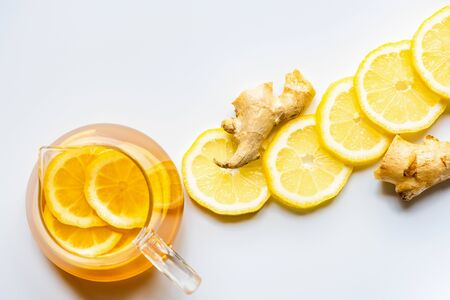
In every Indian household, ginger—locally known as adrak—is a hero ingredient when it comes to battling fever and boosting immunity. Its pungent warmth and healing properties have earned it a special place in the traditional kitchen pharmacy. Whether it’s the comforting sip of adrak chai on a rainy day or the robust decoction of kadha during seasonal changes, ginger is considered indispensable for its soothing effects on the body.
The Power of Adrak in Indian Home Remedies
Indian grandmothers swear by ginger’s ability to reduce inflammation, clear congestion, and stimulate the immune system. During episodes of fever, the spicy root is often used in various forms:
| Remedy | Ingredients | How It Helps |
|---|---|---|
| Adrak Chai (Ginger Tea) | Fresh ginger, black tea, tulsi leaves, spices | Soothes throat, warms body, relieves chills |
| Ginger Water | Sliced ginger, water, lemon (optional) | Hydrates, reduces nausea, eases headaches |
| Kadha | Ginger, tulsi, black pepper, cloves, cinnamon | Boosts immunity, relieves fever symptoms, clears respiratory tract |
The Desi Kadha Ritual
Kadha is more than just a drink—it’s a ritual passed down through generations. When fever strikes or the monsoon brings sniffles, families gather around the stove to prepare this potent concoction. Freshly pounded ginger is simmered with other healing herbs like tulsi and haldi (turmeric), creating an aromatic brew that works wonders for the immune system.
Cultural Wisdom & Everyday Practice
In India’s diverse regions—from North Indian homes brewing strong adrak wali chai to South Indian kitchens adding ginger to rasam—this humble root is woven into daily life. Its popularity isn’t just due to its taste; it’s rooted in centuries-old Ayurvedic wisdom that recognizes ginger as a natural antipyretic and immunity booster. For many Indian families, reaching for adrak during fever is as instinctive as tying a dupatta or greeting with “Namaste.” Embracing these time-honoured remedies continues to keep households healthy and connected to their cultural roots.
3. Tulsi: The Sacred Protector
The Revered Herb in Indian Households
Tulsi in Ayurveda and Culture
Tulsi, also known as Holy Basil, holds a sacred place in every Indian home and heart. In Ayurveda, Tulsi is celebrated as the “Queen of Herbs” for its powerful healing energies. Beyond its medicinal uses, it is worshipped daily, with families often keeping a Tulsi plant in their courtyard to invite blessings and good health. The aroma of fresh Tulsi leaves is believed to purify the environment and drive away negative energies, symbolizing purity and protection.
Natural Defender Against Fever and Infections
Tulsi has been used for centuries as a natural remedy for fever, coughs, and respiratory infections. Its leaves contain essential oils like eugenol and cineole, which help reduce fever by acting as antipyretics and boosting immunity. Boiling Tulsi leaves with ginger or black pepper in water creates a soothing kadha, traditionally given at the first signs of seasonal flu or viral fever in Indian households. This herbal concoction not only reduces body temperature but also relieves throat irritation and stubborn coughs.
How Tulsi Supports Your Body During Illness
When fighting an infection, Tulsi’s adaptogenic properties help the body manage stress while enhancing respiratory health. It aids in clearing congestion and supports lung function—making it invaluable during monsoon fevers or cold spells. Its antibacterial and antiviral actions ensure that harmful microbes are kept at bay, supporting faster recovery. By incorporating Tulsi regularly—whether chewed raw, brewed into tea, or added to homemade remedies—you’re embracing one of India’s most time-honoured ways to combat fever naturally.
4. Haldi: India’s Golden Healer
Haldi, globally known as turmeric, is revered across Indian households as the “Golden Healer.” For generations, our grandmothers have turned to haldi whenever fever or inflammation strikes. This humble yellow spice is more than just a kitchen staple—it embodies India’s ancient wisdom in herbal healing.
The magic of haldi lies in its main active compound, curcumin, which is celebrated for its powerful anti-inflammatory and antibacterial properties. When fever brings body aches and malaise, haldi acts as a natural remedy to help reduce swelling, fight infection, and speed up recovery.
One of the most cherished traditions in India during sickness is sipping on ‘haldi doodh’ (turmeric milk). This soothing drink combines warm milk with a generous pinch of turmeric powder—sometimes enhanced with black pepper or ghee—to boost absorption and effectiveness. Drinking haldi doodh before bed is believed to calm the system, support immunity, and promote restful sleep.
Here’s a quick look at how haldi supports your health during fever:
| Benefit | How It Helps During Fever |
|---|---|
| Anti-Inflammatory | Reduces swelling and body pain associated with fever |
| Antibacterial | Helps combat underlying infections causing fever |
| Immune Booster | Strengthens body’s natural defenses for quicker recovery |
Adding haldi doodh to your daily routine when feeling unwell is not just an old wives’ tale—it’s science-backed wisdom passed down through generations. Whether you call it turmeric milk or golden milk, this comforting beverage continues to be India’s trusted home remedy for fevers and more.
5. How to Prepare Effective Home Remedies
Simple DIY Recipes for Fever Relief
India’s ancient wisdom offers us some of the most effective and comforting home remedies using Ginger (Adrak), Tulsi (Holy Basil), and Haldi (Turmeric). Here are easy-to-prepare recipes that have been trusted across generations, especially during seasonal fevers.
Kadha – The Traditional Herbal Decoction
Ingredients: 1-inch fresh Ginger (crushed), 5-7 Tulsi leaves, 1/2 tsp Haldi powder, 1/2 tsp black pepper, 1 stick cinnamon, 2 cups water, honey or jaggery as per taste.
Method: In a saucepan, add water and all ingredients except honey/jaggery. Boil until the water reduces to half. Strain and sweeten with honey or jaggery. Sip warm twice a day.
Local Tip: Add a few crushed cloves for extra warmth during monsoons or when fever is accompanied by chills.
Ginger-Tulsi Herbal Tea
Ingredients: 1-inch Ginger (sliced), 7-8 Tulsi leaves, 1 cup water, lemon juice & honey to taste.
Method: Bring water to a boil, add ginger and Tulsi leaves. Simmer for 5 minutes. Strain and add lemon juice and honey if desired. Drink hot for soothing relief.
Local Tip: For a South Indian touch, add a pinch of crushed cardamom for aroma and enhanced digestion.
Haldi Doodh – Turmeric Milk
Ingredients: 1 cup milk (cow’s or plant-based), 1/2 tsp Haldi powder, pinch of black pepper, small piece of jaggery or honey.
Method: Warm the milk without boiling it too much. Add turmeric and black pepper. Mix well and sweeten with jaggery or honey. Drink before bedtime for faster recovery.
Local Tip: Grandmothers often recommend adding a pinch of dry ginger powder (saunth) for extra potency during viral fevers.
Best Practices for Maximum Benefits
– Always use fresh ingredients whenever possible for stronger effects.
– Consume these remedies warm; avoid refrigeration.
– Rest well after intake to allow your body to absorb the healing properties.
– If fever persists beyond three days or is very high, seek medical attention as advised in Indian families.
Nourish your body with these time-tested home remedies rooted in India’s herbal heritage—let nature restore your health gently and effectively!
6. Precautions and Cultural Wisdom
While ginger, tulsi, and haldi are celebrated in Indian homes for their remarkable healing properties, it’s important to use these remedies thoughtfully and with respect to traditional knowledge. Here are some valuable tips rooted in our cultural wisdom:
Dosage and Preparation Matters
Always prepare home remedies using fresh ingredients. For instance, a small piece of ginger or a teaspoon of haldi is usually enough for a cup of kadha. Overusing spices can sometimes irritate the stomach or cause allergies, especially in children or those with sensitive constitutions.
Respect Individual Differences
Ayurveda teaches us that every person has a unique body constitution (prakriti). What suits one person may not suit another. If you notice any discomfort after consuming these herbs—such as heartburn from ginger or throat irritation from tulsi—pause and consult an Ayurvedic practitioner or doctor.
Avoid During Certain Conditions
Pregnant women, breastfeeding mothers, and people on medication should consult healthcare professionals before starting any herbal remedy. Some ingredients like ginger can interact with blood thinners or affect blood sugar levels.
Cultural Etiquette: Respecting Ritual and Tradition
In India, preparing kadha or herbal teas is often accompanied by prayers or mindful intentions. Honouring these rituals adds positive energy to the remedy. Always source your herbs ethically and thank Mother Nature for her gifts—a value deeply rooted in our culture.
When to Seek Medical Help
Home remedies are best for mild fevers and early symptoms. If fever persists beyond 2-3 days, is very high, or comes with warning signs like difficulty breathing, chest pain, confusion, or persistent vomiting, seek professional medical help immediately. Trusting both ancient wisdom and modern medicine ensures holistic care for you and your family.